Children are resilient

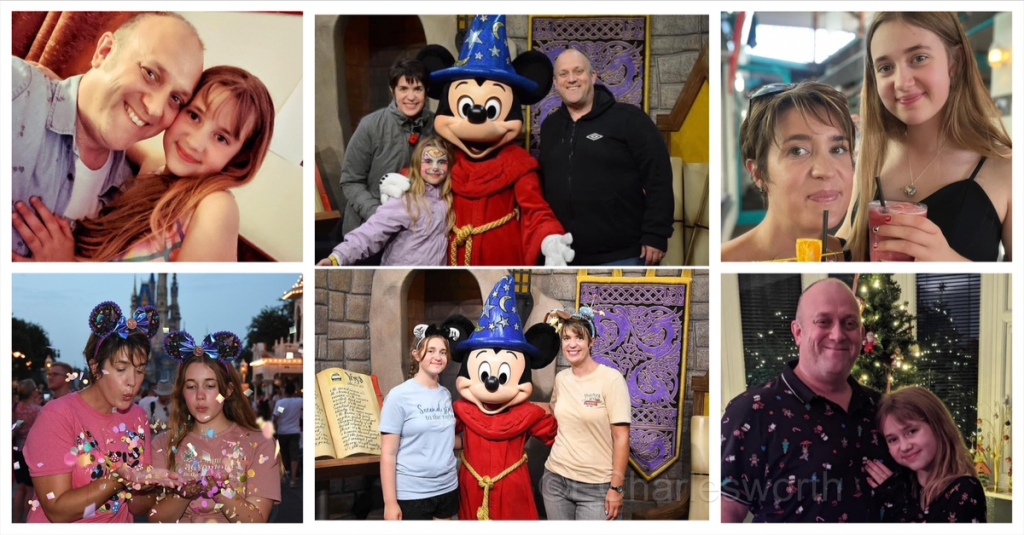
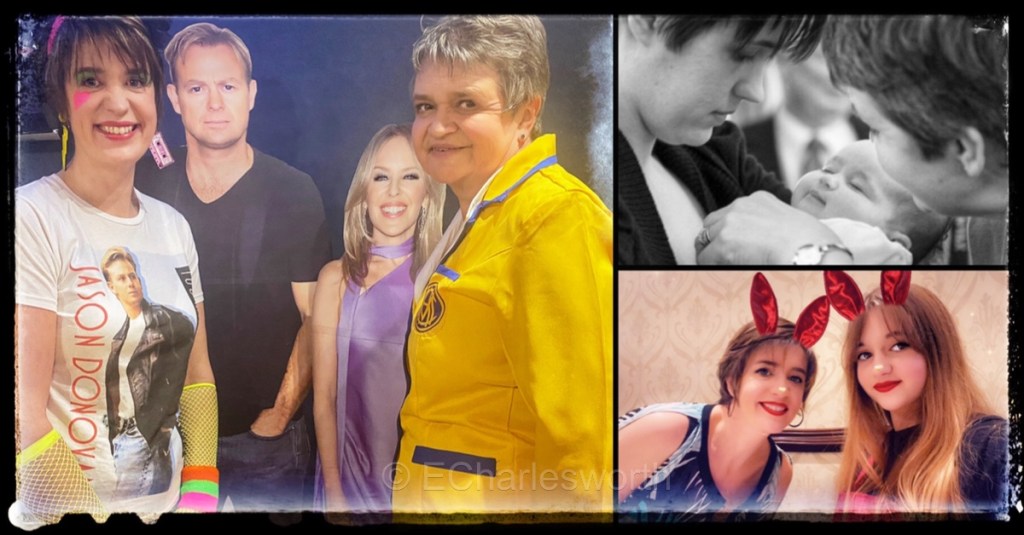
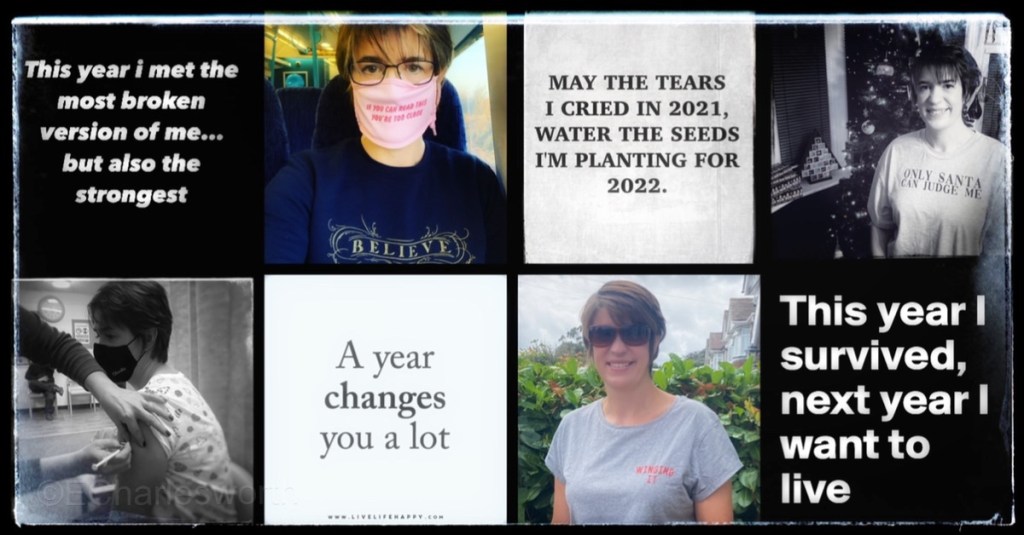
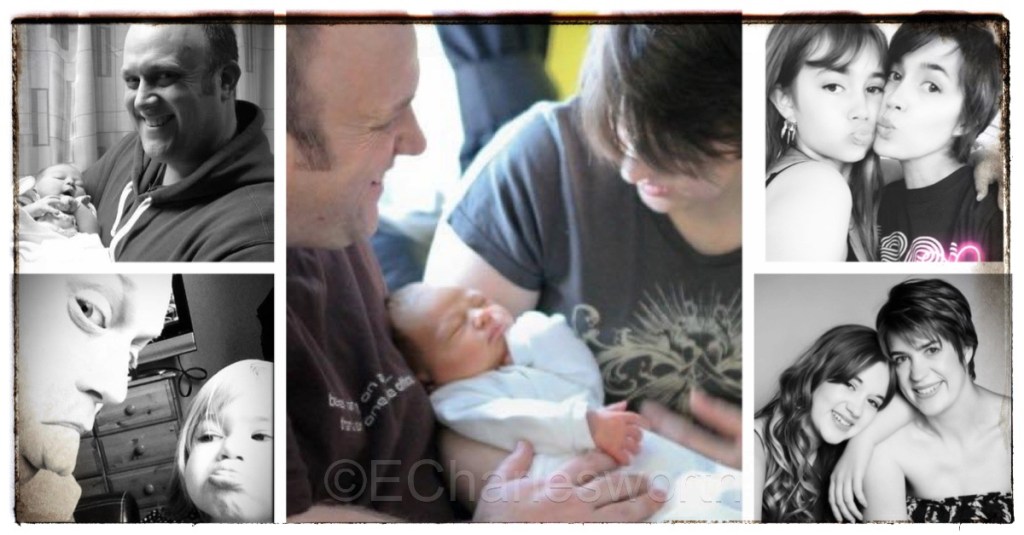
Family photos of The Charlesworth Family

I want to start this by saying I’m no expert on grief. I’m no expert on bereavement. I’m no expert on childhood bereavement. But what I am an expert on is my child. My child who, at the age of 10, watched as her beloved father grew steadily weaker and more ill because of COVID-19. Who watched as her father walked out of our house to an ambulance accompanied by three paramedics. Who then never physically saw him again. Just think about that for a moment. It’s not fiction. It’s real. This is what happened to my beautiful, clever, amazing 10-year-old.

One of the very first things that was said to me in amongst all this carnage was “children are resilient.” It was said in a way to make me feel better, to make me feel that she would be ok despite our world crumbling around us. It wasn’t meant with any malice at all, because fundamentally children are resilient in a way that is different to adults. They are far more black and white, they are far more pragmatic, they see the world in a different way to us. But over the last two and a half years, this phrase has come back to haunt me time and time again. Because I can’t help but wonder if we are actually doing children a disservice by using this phrase and immediately telling them and their families how resilient they are. Yes, they might be, but that doesn’t mean that they don’t suffer, that they don’t feel pain, that their lives aren’t ridiculously changed forever, that they aren’t ridiculously changed forever. And quite simply, this is what has happened to my daughter.

She was a relatively carefree 10-year-old when the pandemic came into our lives. She was never meant to have been an only child, but after Mr C’s cancer we didn’t even know if we’d be able to have a child, and then after my miscarriage, we decided to just be thankful for the child we did have and that was that. I’ve wondered on more than one occasion how different her experience of bereavement and grief would have been had she had a sibling to share the pain and the loss with. It’s one of those “what if” questions that should never be asked and will never be answered.

And while I say carefree, she hadn’t always had it easy. She’d had to watch me hit rock bottom at the age of eight. She’d had to watch my nan’s health decline due to Alzheimer’s from the age of six (just six weeks before the diagnosis, she’d still been having sleepovers with my nan and baking cakes). She’d seen the usual marital arguments that happen. But, overall, she didn’t really have that much to worry about in her life. We tried to make as many memories with her as possible, we knew that she would only be a child for so long and that we needed to make the most of our time with her. I will be beyond grateful for the rest of my life that we took this approach and have a wealth of memories and photos to look back on.

But as the pandemic seemed to grow in its severity, the biggest worry and challenge I thought she was going to face was that of isolation, of not being at school, of not being able to go to dance lessons, of not seeing her friends and just being stuck with two adults in the house. But I didn’t worry too much, because children are resilient… Little did I know what she was actually going to face. I will never, ever forget the early hours of 30 March 2020 when she woke up to hear her father struggling for breath, me making a 999 call and seeing the utter panic and desperation I felt. Yes, I tried to say calm for her but in that moment I’m sure she saw it. She knew. And then, in a reality that will forever pain me, I had to leave her on her own when the paramedics arrived because they needed me. My 10-year-old had to sit on her own in our lounge, whilst knowing that upstairs people were trying to save her father and the only comfort she could get was via my mum on the phone because no-one could come in our house. But that’s ok right? Because children are resilient.

The next three weeks sort of passed in a blur. There were days we didn’t make it out of our PJs. There were days we’d have cake for breakfast and brownies for lunch. There was the day a week before he died when I had to sit her down and tell her that he was very poorly (understatement of the year) and might never come home. “Do you understand what I’m saying?” I remember saying to her. “Yes, you’re saying daddy might die” was her response. Pragmatic. Real. She was bloody amazing. And then the Skype calls came. I didn’t do the first one with her because I wasn’t sure what he’d look like but having done that one, I knew she’d be ok seeing him. Each day I would ask if she wanted to talk to daddy and her response was always “well, I’ll talk to him today because he’s here today isn’t he and might not be tomorrow.” I told this story when I was on a panel at the UK Commission on Bereavement “Bereavement is everyone’s business” report launch and you could hear a pin drop. I saw members of the audience crying. It hit me then. Just how much I’ve come to accept what we went through because we were living it. How I’ve probably downplayed our experience because it was ours. And yet when other people hear it, they consider it heart-breaking.

But. The attitude and philosophy that my daughter adopted during that final week kept me going, because if she could do it, then so could I. And then the fateful day came. The call came. Hope had gone. He was going to die. She was actually about to become a child whose father had died. My biggest fear had been realised. Again, we did a Skype call and this was our chance to say goodbye. I can still remember her saying to him “I’ve not really got anything else to say to you now, I haven’t done much, I’ll go talk to nana and come back in a bit” (my mum was sat on our driveway at the time). Because let’s face it. Children are resilient. This was just something else she was dealing with.

And let’s be honest. She didn’t really have a choice but to deal with it. We were living in the middle of a global pandemic. Her father had died. I couldn’t make this any better for her. I couldn’t pretend it wasn’t real. Both of us had to deal with it. But unlike me, she didn’t cry. For weeks, if not months, she didn’t cry. She queried this with me because she didn’t understand why not. “Everyone grieves differently, please don’t worry about it” was my reply. It was all I had. The day of the funeral, she didn’t cry. She stood in the crematorium, did a reading with me, and didn’t cry. Shock. That’s what she was experiencing. Shock. I didn’t really realise it at the time, but like I say I’m an expert on my child and now I can say she was in shock. She was in shock for such a very long time. My amazingly brilliant, resilient child had experienced pain that no child should ever experience. She not only experienced loss, but went on to experience isolation, a lack of physical contact, her mother falling apart and secondary losses. Yet all the while people kept telling me that she’d be ok. Because children are resilient.

What I hadn’t really realised at the time and didn’t really realise until this year is how she aged overnight. Not just mentally, but physically. Her eyes took on a sudden weariness. She looked older. Yes, partly because she was growing up, but also partly because of the trauma she went through. And I realised this in the simplest of ways this year. We went to Florida for three weeks; it was our treat to ourselves after the heartache we’d gone through. We did a day trip out of the parks one day and she asked me for a cuddly toy as a memory, before then I couldn’t tell you the last time she asked for one. On the coach back to the hotel, she cuddled that toy. I snapped a photo and sent it to my sister. “She looks so young” was her response. And that was it. That was the moment I saw it. Our three weeks in Florida enabled my daughter to be a child again, to not have a care in the world and ultimately, to regress. She got back a little bit of her childhood on that holiday. I cried on the plane on the way home, partly because I felt I was leaving Mr C there but also because I felt I’d got my little girl back. She had been given the space and ability to be a child again. It was a momentous feeling. I wanted to keep her like this forever.

But back to reality we came. She said something to me a couple of weeks later after a difficult few days and it just winded me. “People don’t ask me how I am anymore, it’s been over two years, I’m supposed to be ok with it now aren’t I?” Because time is meant to be a healer, isn’t it? But sadly, the misconception that exists because we’re “trained” to believe that children are resilient is that they don’t suffer for any length of time. That they just bounce back from whatever comes their way. That they don’t experience pain in the same way. That grief doesn’t affect them. Without question it does. And it’s something that will be a part of them forever. I wonder how we can change that, because in my opinion it needs to be changed. Unless you’ve witnessed it first-hand, you have no real idea of what grief, trauma and pain can do to a child.

I won’t talk about all the ways I can see that she’s been affected and what it’s like for her because that’s her story to tell and I don’t want to divulge it. Maybe one day, but not now. Not while she’s living it. But what I can tell you as her mother is that she is 100% affected by her loss. That she is 100% struggling to work through and process what has happened to her. Losing her hero. Losing her protector. Losing one half of her history. And quite simply, why wouldn’t she be? It doesn’t mean she’s not resilient, it just means she’s human. It just means that she’s experienced one of the most awful things that she possibly could, and she needs to be allowed time and space to work through it. She needs love and care. She needs people to ask her how she is. She needs to talk about her dad. She needs to know that all of how she is feeling is ok.

And interestingly enough, from my perspective, it is this that I believe will build her resilience and help her as she goes through the teenage years and adulthood. Needing help doesn’t mean she’s not resilient, that she’s mad, that she can’t cope or that she’s weird. It just means she’s human and vulnerable. And I will be there with her on every step of this journey. I am so grateful for the child bereavement charities that I’ve spoken to who have given me guidance, who have supported her and will continue to support her.

But most of all, as her mother, I couldn’t be prouder of her for the way she has responded over the last couple of years. It’s not been easy; I’d be lying if I said it had. But I hope that she’ll retain the human and vulnerable elements to her as she gets older, because they’ll be two of the most valuable qualities she’ll ever possess. I hope that her experience doesn’t define her but instead helps shape her. To help her go into adulthood retaining that realistic and pragmatic view on the world. To truly understand that being resilient doesn’t mean that you don’t find things hard. That you don’t suffer. That it’s ok to need help now and then. And without question, I know that if she takes this into adulthood, it’s something that her dad would be very proud of her for doing too.

A mother’s love…

Recently, someone shared a video in the Widowed and Young group on Facebook of an interview which Martin Lewis had done a few years ago. In it, he spoke about the death of his mother and how that had affected his life. There was one phrase that really hit me “that was the end of my childhood.” I was sat in the car park of our local Dunelm at the time of watching and it just made me sob. And made me think about my own child. It made me realise something that I’d not really thought about before. I’m the mother of a child whose childhood ended at the age of 10.

Because it really did. Yes, I’ve done my very best to keep things as “normal” for her as possible. Yes, I’ve managed to make it possible for her to keep doing a number of things she did before the death of her father. But the simple fact is, she has been exposed to the harshest of realities. She grew up, essentially, overnight. She lost a parent. One half of the team that had been keeping her safe and protecting her for 10 years disappeared. The person who had got her up every day. Her hero. She lost him. In the most surreal of times.

Of all the people who are grieving the loss of my late husband, it is my child that my heart breaks for the most. Even more so than for my own loss. Because as I look at it, I was fortunate enough to have known him since I was 15 years old. I’d been in a relationship with him since I was 18. He’d been in my life for over 20 years. I have so many memories of him. I had so many experiences with him. We’d done so much together. All that potential has been stolen from our daughter. She no longer has a future with her father. Studies have been done as to what age children start having memories from, and the general consensus is that it’s around seven years old. That means she has just three years of memories with her dad. And they’re meant to last her a lifetime. Except they won’t. Because it’s only natural that other things will come into her brain and start to replace them. Yes, she’ll remember things (I’m not saying she won’t) but if I was to sit here now and talk to you about my life between the ages of seven and 10, how much can I really remember? Not a huge amount.

I listen to her say that when she’s 20, her dad will have been dead half her lifetime. I watched her sleep in my bed for 18 months after he was rushed to ITU because she was so terrified that something was going to go happen to me too. I watched her completely struggle with Christmas last year, because the magic of it had gone (her first year of not believing) and the reality of her dad not being here at Christmas was too much for her. These little things remind me that she is actually still a child. A child in pain. But when I think back to that Martin Lewis interview, there is so much of her that I’ve seen that feels as though her childhood is over.

When she’s been sent messages that, in my opinion, should never have been sent to a child, she was the one who wanted to write the responses. She didn’t want me step in and deal with them for her. And respond she did, in the most eloquent and articulate of ways. I was so, so proud of her. But at the same time, my heart broke that tiny bit more, because I knew I hadn’t been able to stop the hurt she was feeling because of it. I knew I couldn’t make it better for her. My role as her mother is, and always will be, to protect her and try to stop heartbreak. I spoke in my blog on Mothering Sunday last year about how much of a fierce Mama Bear I’ve become. But over the last year, I’ve had to make sure I don’t unleash the Mama Bear too often, because my daughter has become more ready to take on the next battle herself. Partly this is due to her age, and the transition to secondary school, but also when your heart has been broken in the way hers has, you’re not really afraid to take on the world. You’re not really afraid of anymore hurt because, to a certain extent, it feels inconsequential compared to what you’ve gone through.

She’s also become so very much more adult like in her interactions with me. I still have to remind her on a regular basis that she is a child, and needs to do as she’s asked, but the crux of the matter is that she has had to step up these last two years. She was the only person in the house with me for such a long time after my late husband died. She has had to physically help me get up off the floor. She has watched her mother fall apart and break on more than one occasion. She has been the one to frequently see my tears and ask “why are you crying mummy, what can I do to help?” She is the one who has given me pep talks and reality checks when the going has got really tough. She has, to a certain extent, become a carer for me. Not out of choice, but because she is the only one living with me 24/7 and seeing the pain I’ve been living with. She is the one who has stepped up to do chores to get pocket money and sell her decoupage items so that she can save money to buy me presents for Mothering Sunday, Christmas and my birthday. This was pretty much dealt with for the first year, but she now feels it’s not fair on my sister or my mother to buy presents on her behalf anymore. She feels a responsibility. A responsibility to not only look after her mother, but to provide for her when needed too. All this at the age of 12. It’s no wonder that I feel that I’m a mother to a child whose childhood has ended.

I look back at my own childhood. To a certain degree, I wonder if this is what my mother felt after the breakdown of her marriage. Because I know that I had to step up then too. I helped look after my sister, so my mother was able to do things. Not least of which was doing three jobs. I don’t know the full financial implications and arrangements following my parent’s divorce, I didn’t need to at the time, I was a child after all, but I do know that my mother did three jobs so that she was able to continue to treat us. She wanted us to be able to go on holiday or to concerts (she possibly regrets that now though given my Jason Donovan and my sister’s Boyzone obsessions!!) I will always be beyond grateful to my mother for everything she sacrificed and did for us when we were growing up.

I can’t help but wonder what it must have been like for her when she had to watch her eldest child tell her child that her father was going to die. Heartbroken and helpless is all I can assume. Because I don’t think there ever really comes a time when your child is not your baby. I say to my own daughter that she’s my baby and she responds with “I’m not a baby.” No. She isn’t. But she is my baby. And she always will be. My mother would probably tell you that I’m her baby. Over the past two years, I’ve watched her try to do more and more for me. Despite me saying “I’m nearly 40 / I’m in my 40s / I can do it myself.” She felt helpless for so long because of the restrictions in place, that I suspect there’s an element that now she can help, it helps her to help me. She gets cross when I don’t wash my car, so takes it off my drive and does it for me. She’ll turn up with my stepdad when he mows the lawn to do some gardening for me. When my washing machine broke earlier this year and the repair took longer than anticipated, she did all our washing. And would regularly bring it back ironed. She’ll cook us dinner if I’ve got a particularly hectic schedule. She helps out with my daughter and our puppy so that I’m able to go to the office or have nights out. Put simply. I would not have been able to achieve or do half as much as I have without her since I became a solo parent.

And this is against a backdrop of some fractious times. It hasn’t always been plain sailing between my mother and me. There may well be other challenges in the future. But it comes back to a mother’s love and what being a mother means to you no matter what the circumstances are surrounding the relationship. My late husband hadn’t spoken to his mother for many years before he died, and neither had I, but I will still acknowledge the pain she must feel. It’s why I’ve made sure I’ve sent her copies of photos, newspaper and magazine articles, in the same way I have for his father and his sisters, because, at the end of the day, she is a mother who has lost her child. She in return has written to tell me how proud she is of her son and to thank me for all I have done to keep his memory alive and to honour him. She will always be his mother. His death won’t that change that.

I can’t begin to comprehend and don’t claim to know what it must feel like to lose your child. I realised recently that my own daughter is now the age my cousin was when she died, and I felt like the rug had been pulled out from under me. Because I simply can’t imagine how I’d feel if my daughter’s life ended now. It goes against the natural order of things. When you become a mother, it isn’t something that you ever contemplate. I know from my own experience that I hadn’t expected to feel the unconditional love I do for my daughter, but I also know that I hadn’t expected the constant fear and worry that goes with being a mother. There is nothing I wouldn’t do in order to protect my daughter. From anyone and anything. And the knowledge that I can’t actually protect her from everything is heartbreaking.

But I also know that because of everything she’s gone, and continues to go through, she’s growing up with a very realistic outlook on the world. And maybe that isn’t such a bad thing. I recently came across the Facebook post my late husband posted on Mothering Sunday 2019. It came after a particularly trying weekend. He said:

“You are a fantastic mother, so, if nothing else, take from today that achieving that accolade is not purely down to making your child happy. It is about teaching, guiding, encouraging and sometimes pushing your child to understand what it is to show compassion, kindness, respect and love, even if it, at times, feels like it is at the sacrifice of those things for yourself. This is why you are a great mother and why one day, you will reap the benefit of the seeds you sowed.”

I’ve had to continue to teach my daughter compassion, kindness, respect and love in a way that I know he wouldn’t have anticipated when he made that post in 2019. I’ve sacrificed so very much of myself these last two years since he came down with his temperature on Mothering Sunday 2020. I’d do it all again in a heartbeat, because that is my role as a mother. But as I sit here now, I know that I can start to give a little bit of attention back to me because of the amazing person my daughter is becoming. I can’t properly articulate just how proud of her how I am. In the same way, my late husband’s mother is proud of her son. In the same way that my mother is proud of me. I have a child who makes me beyond proud. Every single day.

I know that she won’t let the death of her father beat her. When I watched the Martin Lewis interview and how he credited some of his success to the loss of his mother, I envisage in years to come hearing my daughter say something similar. She tries every single day to better herself. She has the steely determination of her father. She shows so much dedication to music, drama and theatrics, I’d put money on me one day watching her on a West End or Broadway stage. And whatever her future brings, I know that when I watch her achieve, I won’t feel the heartbreak anymore that her childhood ended so young. I’ll just feel enormous pride that the experience and hurt didn’t define her. That she used her experience to help her become the person she wanted to be. And as her mother, I won’t be able to ask for anything more.

Goodbye 2021

If 2020 was the year of shock, numbness and surrealness, then 2021 was the year of reality. The year of trying to adjust to our “new now” (I don’t like the phrase “new normal” as who is to say what is normal anyway?) I should have been writing this blog in New York. Our first overseas trip just the two of us, the prospect was both terrifying and exciting. But just over three weeks ago I made the decision to cancel, the reality was that everything about it was adding additional stress and worry, rising case numbers, change in testing regulations, closure of activities in New York. Need I go on? Because this is reality. I am still trying to adjust to widowhood and solo parenting while living in a pandemic. COVID-19 hasn’t gone away.

But what is different about the end of 2021 compared to the end of 2020 is that I consciously made a decision to avoid stress. I just don’t need it. I don’t need to be putting myself through it. I think back to this time last year. I crashed on 27 December, it was all I could do to get up each morning and when I did, I pretty much just laid on the sofa. Mr C’s Memorial Bench was installed on 29 December and I had to summon the energy to get off the sofa to see it. Because I’d run and run and run to get to Christmas. I’d done so much. I’d tried to do very personal keepsake gifts for his immediate family. I’d tried to make everything perfect for our daughter. I’d tried to honour him in every way I could. But do you know what? It didn’t make him come back. I didn’t get to Christmas Day, get a pat on the back and get told “well done, he can come home now.” Reality hit. I’d got to Christmas, put myself under so much pressure and for what? I was quite simply mentally and physically exhausted. I couldn’t go back to work. I had nothing left to give.

This was how I went into January 2021. Exhausted. And then reality give me a real slap in the face. One of my most loyal, closest friends who had done so much for me after Mr C died lost her partner to COVID-19 on 2 January. Two days into the New Year. I felt helpless. I couldn’t bear to see her. Because to see her would make this real. To see her would be to see the tears in her eyes and know that there was absolutely nothing I could do to take her pain away. This wasn’t meant to happen. Nobody else I loved was meant to go through this pain. I had to tell my daughter that once again the pandemic had taken someone from our lives. Someone who had made such a difference to my friend’s life. Who had put the sparkle back in her eyes.

And then reality and the unthinkable happened again a couple of weeks later. I received a text asking me to give my colleague a call. It was a little odd as I’d only spoken to her that morning and wasn’t working, but I still did it. She had to break the news to me that one of my colleagues had been killed in a road accident. He was just 29. I thought back to the first meeting I’d had with him after I returned to work following Mr C’s death and the compassion and kindness he had shown me. How on earth could he have died in such a senseless way? His partner is in my immediate team at work. She is one of the most selfless people you could ever hope to meet. Simply lovely. Again. I felt helpless. I remember walking into my lounge after the call and my daughter asking me why I was crying again. I wanted to make something up. I couldn’t bear to tell her the reality that yet again somebody else I knew had died young. All you want to do as a mother is protect your child from hurt and pain, and here I was again telling her just how unfathomable life can be at times. How reality really can suck at times. But we had the conversation. Because this is what reality is. I can’t shield her from it. I can’t shield her from pain.

It’s why we have such an honest relationship. Because I’ve worked out that she deserves honesty. For a child of 11, she has been exposed to so very much. It breaks my heart. And while I don’t tell her everything, we do talk about so much. Because our reality has meant we’ve had to, we can’t shy away from pain, hurt and suffering. We talk about the fact I have counselling. Because over the past 21 months, I’ve spent 11 of them in counselling. It’s made me look at myself. It’s made me question a lot. And it’s also given me answers and helped me begin to come to terms with my reality. But nearly a year in therapy? I’d never have expected this. Even though I know how beneficial it is, the reality is that it’s still hard to come to terms with needing it in the way I have. To help me survive and be able to live a daily life. And despite the dialogue on mental health changing, it can at times be slightly taboo to talk about it and be open about being in counselling. To the point the fact I was having it was used against me at the start of the year.

I don’t hold it against the person who said it to me, because the reality I’ve come to accept in 2021 is that there is still a lot that society doesn’t understand about grief, mental health and life in general. I had a conversation at work recently about how society as a whole tends to focus on the negative, what you haven’t done, what you could do better etc… You hear the phrase “can I give you some feedback?” and instantly bristle because you assume it’ll be bad. To say “I’m having counselling” can, in some instances, cause judgement. The perception is you’re not right. You’re not good enough.  

But do you know what? 2021 has seen me become ok with that. I’ve come to accept that I will never be good enough for everyone. I’ve come to accept that there will be things I do that people can’t understand. Because that’s reality. But equally, I judge and do it to myself. I will automatically talk about everything that I’ve not been able to do since Mr C died. Because isn’t that what we’ve been taught to do? Focus on the negative? I’ll tell you I’m not as efficient as I once was. My brain doesn’t work in the same way. I’ll walk away rather than fight for what I believe in because I can’t handle stress. I don’t have as much patience or tolerance. I forget things. I buy presents for birthdays and Christmas and worry that they’re not good enough, but the truth is I’ve simply run out of energy at trying to get everything right. I have mum guilt like never before. I haven’t achieved as much at work as I’d have liked. I don’t call or message people enough. I haven’t been as good a friend as I might have been before because I don’t put as much effort in.

Yet this is where the counselling has helped and the Emma at the end of 2021 compared to the Emma at the end of 2020 tells herself to wind her neck in. Because I need to acknowledge that I’ve achieved a hell of a lot this year. I deserve to feel proud of myself. Whatever anyone else thinks or says. That is the reality. I have launched my own blog that has not only helped me but has also helped others. I organised my late husband’s Memorial Service which gave so many people the chance to say goodbye to him. I’ve learnt how to show my vulnerability. I’ve continued to work. I’ve kept a roof over our heads. I’ve organised home improvements. I’ve pretty much done everything we used to do as part of a partnership single-handedly. I can now go into supermarkets again. I’ve become an ambassador for Widowed and Young. I’ve taken my daughter away, to friends, to festivals, to theatres. I’ve given her new memories. But more than that. I’ve somehow got out of bed on days when I don’t want to. I’ve still put one foot in front of the other. Every single day. My daughter has not gone without love. There has not been a single day she hasn’t felt my love even when I’m in the pit of despair. This is my reality that I need to focus on more. What I have done. There will always be people who are quick enough to tell me what I haven’t done or should have done differently. But I need to have more faith and belief in myself. To remember what I have done. What I have achieved.

I’ve been reminded so much of this throughout this month. In the run up to Christmas, my daughter said “I just don’t understand why this Christmas is so much harder than last year.” We spoke about how last year we were in shock and survival mode. Whereas now we’ve spent the whole year coming to terms with the reality that her daddy really is gone. He’s never coming home. We will never spend another Christmas with him again. And that’s why it’s so much harder. Because it’s real. As each day passes, our reality and life without him crystallises. I listened to her repeatedly tell me she was over Christmas. I watched her sit on the sofa and refuse to move. I’ve just had to cuddle her because there was nothing else I could do to help her. But Christmas Day came and the punt of an idea I had for her present changed everything. She smiled again. She laughed. She sang her heart out on the karaoke machine. Yes, Christmas Day resulted in me being absolutely exhausted again because of the energy I’d needed to put into helping my little girl, but seeing her happy made everything worthwhile. I achieved that. I helped her get through it. And this just reinforced the reality that I’ve had to come to terms with in 2021. The ability to accept the rough with the smooth.

I can’t lie. I have very mixed emotions saying goodbye to 2021. The first year since 1974 that Stuart Charlesworth hasn’t been alive for any of it. Since 1996 that he’s not physically been a part of my life. A year which has caused so much new heartache and pain. A year which has seen relationships break down. A year which has seen me fall apart repeatedly. Yet it’s also been a year which has seen me smile, laugh, dance and hug more. It’s been a year that has seen me start to think about my future and my new reality. For the first time in such a long time, I can answer “I’m ok” and mean it when people ask me how I am. That’s not to say I’m of the view that life has become all cupcakes and rainbows. It hasn’t. I know as I go into 2022, my rollercoaster will inevitably dip at times. But I also know it will rise up too. Because I have plans. I have ambitions. I’m dreaming big. I have the best people around me. The hope and reality I’ve adjusted to in 2021 has taught me that I can get through and do anything if I really want to. Because I’m going to make sure I remember one thing in 2022…

I am good enough.

A letter to my 15-year-old self

I’m writing this to you today because I really wish someone had been able to tell me this 25 years ago. To reassure me that everything was going to be ok. To let me know that I would survive everything that life had to throw at me. Many people are looking back at 1996 right now, each one of them with their own reasons for doing so. But for you, 1996 is going to be the start of your life changing. It’s important you understand just how important this year is going to be.

So. Quite simply, 1996 is going to be a pivotal year for you. It’s going to be one you’ll remember for many reasons and for many years to come. Not least of which will be Euro 96 and the heartache that will come from a missed penalty. Don’t worry though, you’ve only got to wait another 25 years for a tournament like it. Although, spoiler alert. There’s going to be penalties involved again.

I must admit I’m going to start shallow with my words of advice. Right now, you’ve still got long hair, yet within a couple of years you’re going to cut this off. I know, I know, you’re laughing at this prospect. But you will, you’ll spend most of your adult life with short hair and whenever it grows, you won’t feel like you. Go with it, dye your hair, try different styles but always go back to short hair. It looks good on you.

And now for the serious stuff. Over the course of this year, you’re going to fall in love for the first time. It’ll feel like the best thing in the world. He’ll make you feel like the most special person in the world. However. You’re also going to have your heart broken for the first time too. This is something that you’re going to have go through, it’s almost like a rite of passage. All I can say is that it will hurt like hell. You’re going to shed a bucketload of tears. It’s going to leave you taking a sharp intake of breath whenever you hear certain songs. Always. But you’ll reach a point where these songs will not only cause that intake of breath, but also make you smile. Why? Because you are going to get over this heartbreak. Honestly. It will become a part of your story. I won’t lie to you though. You’re going to hate him for a while, you’re going to want horrible things to happen to him, you’ll think you’re never going to recover and that you’re never going to love again but you really are. On more than one occasion. But do you know what? Don’t be too quick to judge him. Don’t waste your time on hate. Because as inconceivable as this is going to sound right now, that first boyfriend is going to turn out to be not all bad. Really. He’s going to end up becoming one of your closest friends. He’s going to be a rock for you after the death of your husband (we’ll come onto that bombshell in a bit). He’s going to be one of the key people holding you up. Crazy huh?!? But I promise you it’s true. You’re going to be incredibly lucky that he not only comes into your life in 1996, but that he stays a part of it.

But of far more significance to you, 1996 is going to be the year you’ll meet your future husband. Of course, you won’t know this at the time, but he really is going to come into your life in the summer. You’ll meet him standing by his blue fiesta outside Central Park, the home of Sittingbourne FC. You won’t give him a second thought. He won’t actually give you a second thought to be begin with. Over the course of the next few months and years when people ask you who he is, you’ll say “just Charlie.” 1996 is the year that he’ll move from Essex to Kent, a key factor in how and why he’ll start to appear in your life more and more. Don’t underestimate the role that he’s going to play. Cut him a bit of slack when he tries to woo you. Still play hard to get, because it’ll give you a story to tell, but just try to prepare yourself for the massive impact that man is going to have on your life.

I know you worry that you’re not the most popular girl at school. But it really, really doesn’t matter. Because you have such an amazing group of friends there and that counts for so, so much. Always treasure them. Over the next 25 years you’re going to need them in different ways and at different times. But always, always treasure them. They get you. Even when you don’t see them for a few years, when you get together it will feel like nothing has changed. And during the most difficult times of your life they’ll be there. Without fail. Without judgement. But more than this. You are going to go on to meet and make other wonderful and supportive friends. You’re going to meet and have so many fabulous people in your life. You’re going to be so loved. And while some friendships will drift apart, that’s only natural after all, the ones where there’s no demand or expectation from either side will be the ones that see you through. You’ll count your blessings that you have so many of them.

This year, you’re going to start looking ahead to your career and future as you start to consider your A-Level choices. Right now, you’re going to see yourself as a journalist. You’re going to apply to university to study journalism. But your A-Level results aren’t going to go the way you planned. You’re not going to get into your first-choice university. But you will still go. You will still persevere with the course for three months. But then one day, you’re going to realise it’s not right for you. You’re going to drop out. It’s one of the bravest things you’re ever going to do. Doing what’s right for you. You need to remember to do more of this. Putting you first and doing what’s right for you. Again, I’m not going to lie, you’re going to feel scared and nervous. You’re going to wonder what next, but it will all fall into place. You will go on to have a good career. It’s going to change over time, you’ll head down a secretarial route before switching to marketing but you’re going to be just fine. Of course, there will be instances during your career where’ll you have had enough. Where you’ll be beyond frustrated. Where you’ll query why you bother. Where you’ll want to quit. But just keep going. Things have a funny way of turning out for the best when you least expect it. Just remember that you’re the one in control. You’re the one that can change things. And don’t be afraid to. This is your life, nobody else can live it for you.

And throughout your career, there’ll be one constant. The people. Your colleagues. Who will become friends and confidantes. Who’ll offer support and a friendly ear. Who’ll be there with gin and fried food. Who’ll be there with doughnuts. Who’ll be there with “Smile Thursdays”. Who’ll be there with straight talking. Who’ll give you the tough love you need. And above all else, will help look after you in a way that you simply won’t think possible on the day you walk through the doors of 1 Embankment Place for the first time. You’re not going to, but I just want to tell you to never, ever take them for granted

Yet without fail, I wish I could prepare you for just how much heartache you’re going to go through. And to give you the knowledge that you will make it through all of it. That heartache is going to come in many forms. It will come when you must confront living with depression and anxiety. It will come when your boyfriend is diagnosed with cancer and you have no idea if he’s going to make it. It will come every month when you just can’t fall pregnant. It will come when close friends tell you that they’re pregnant again and you break down on them. It will come when you’re pregnant with your second child and have a missed miscarriage. That “what if” of that baby will never go away, but the pain of this and the other heartaches will ease with time.

Right. Take a deep breath before you read this next paragraph. Because, this is the one where I talk about you being widowed. Where I tell you that this will happen when you’re 39. Where I tell you that the greatest heartache you’ll have to face will come in 2020, when your husband of 14 years (that random guy you met in 1996) will die during a global pandemic. (Oh yes, incidentally during 2020 and 2021 you’re going to have to live through a global pandemic and your entire life will be turned upside down). The pain and heartache this will cause you will be nothing like you have ever, ever felt before. That broken heart in 1996? A mere paper cut compared to this. The grief is going to be unbearable at times. You are going to break. You are going to hit rock bottom. You are going to think you’re doing ok and then get side swiped and fall apart. But the one thing you absolutely need to remember is to ask for help. To admit that you can’t do this alone. To let the tears flow when they need to do. To be kind to yourself. To stop. To breathe. To acknowledge just how difficult this is. As I write this, I don’t know if you’re ever going to love or feel love like it again. But I do know that you’ll feel the love from your husband for a very long time.

But above all else, I want you to know just how much joy and happiness there’s going to be in your life. How despite all the heartache and hardships you’re going to go through, you will smile. How you will enjoy your life. How you’re going to have a beautiful and simply inspirational daughter even though it’ll take you a while to get her. How you’re going to meet some truly brilliant people when you cave and take her to postnatal group in the vague hope she might find some friends. How you will go on to make so many fabulous memories with these people. How there’s going to be so much laughter in your life. How you’ll stop worrying about everything all the time. How you’ll stop trying to fit in and how you’ll come to actually quite like yourself. This is the one thing I wish more than anything that you could know, and I could teach you. It would change your life during your 20s and 30s. But by the time you reach 40, you’ll know this. Promise.

I know you’re never going to see this. But you’ll never know how much I wish you could have. To have had someone confirm that despite everything you’re going to go through, you’re going to be ok. You really, really are. And that will largely be down to the people who come into your life, it will be down to your determination to never give up, it will be down to your willingness to accept help, it will be down to your realisation that there is always, always something to be thankful for. When you learn, accept and remember this, I promise you more than anything that you’re going to be just fine. 

And now as I sign off, I can’t help but wonder if this letter has really been for you or something I actually need to remind my 40-year-old self. Because no matter how good she might be at giving out the advice, she definitely still needs reminding from time to time to take it.

Me xx

To Mr C on Fathers’ Day

Well Mr C. This one has come around quick. How can we possibly be on our second Fathers’ Day without you already? She only had 10 with you alive, yet somehow, she’s now done two without you. It’s wrong. It’s all so very wrong.

Because without question, being a father was something you always wanted. Only being one for 10 years isn’t right. Your original life plan was to be married with a child by the age of 26. Falling in love with someone nearly seven years younger than you was always going to make that a challenge. But I knew. From the very early days of us dating, I knew what a doting and wonderful father you would be.

Sadly, 26 was the age you were when you were diagnosed with testicular cancer. The chemotherapy and the surgery meant that having a family was no longer a certainty. We had no idea whether it would happen for us. As it was, it took nearly 18 months and a number of medical tests before I fell pregnant with her. But we both loved her from that very first scan when we saw her wriggling around. You were made up. You were about to get everything you had ever wanted.

From the moment she was born, it was evident how strong a bond you were going to have. How much you adored her. And as she got older, that bond only strengthened. It was a joy to watch. To see you finally come into your own as a father. Firm but fair. And while she was never meant to be an only child, I know that we made the right decision for us as family not to have any more. After losing our second baby, we just became even more grateful for all we had. We hadn’t known if it would be possible at all, we just decided to count our blessings. In fact, I like to think that you’re now looking after our angel baby while I stay here looking after our first baby.

Yet it makes me so angry and sad that you’re not here to see that beloved first baby grow up. At all you’re going to miss out on. That you’ve not seen just how unbelievably amazing she has been since you were rushed to ITU (although in the pragmatic style of her daddy, she’d tell me that if you had been here, she wouldn’t have needed to be this amazing). She’s changed and grown up so much, I wish you were still here to see it. She’s now getting excited about the next phase in her life and starting secondary school in September, but I’m so nervous about it. You should be here for this; I don’t really know how I’m going to do it without you. I just know I’ll be trying to do everything I can do hold it together because a) our baby is growing up and b) you’re not here to share it with us.

I’m also so angry and sad at all she has lost. At all she’s continuing to lose. Her daddy, her protector, her partner in crime, her innocence, her security, her family. We’ve brought her up to know that life isn’t always cupcakes and rainbows, but I wish she hadn’t had to have it confirmed in such a heart-breaking way. At the risk of saying something ridiculously childlike, it’s just not fair. Because it isn’t. None of this is. The memories of you and her together throughout the years keep cropping up on Facebook memories, you really were as thick as thieves. And this month is the worst because of all the Fathers’ Day ones. They make me smile and cry at the same time. There was just so much love between you both. I so wish I could have bottled it for her.

I think back to the first Fathers’ Day without you last year. It was me who struggled and cried more than she did. I even queried whether this was “normal” with others on the Widowed and Young Facebook page. Why was I so upset? Why wasn’t she? But this year is different, I can see that. Even the build-up has been so much harder for her. Last year the two of us were cocooned in our own little world. This year she’s seeing more people, she’s seeing more children with their dads, she’s been in shops where Fathers’ Day is advertised everywhere. “Why do they do that?” she asked me “Why is it everywhere? I don’t have a dad, I don’t want to see it.” It breaks my heart to hear her say that because she does have a dad. Granted, you may not physically be here, but she does have one. And I promise you Mr C, with everything I have, that I will never, ever allow her to forget you. To forget how loved by her daddy she was.

But it’s not just her feeling the pain of you not being here, I’m missing co-parenting and your role as a father too. She went on a school trip this week, you know how much I hate her doing these. How paranoid I am and how sick I feel whenever she goes on a coach. You were the one always there to placate me when I’d leave her and cry. This week I went back to the car by myself. All I wanted was a hug and for you to tell me everything was going to be ok. The fabulous Widowed and Young contingent were there for me though, I wasn’t totally alone. And I ran away to the office to distract myself, even managing to get lunch bought for me to save me cooking when I got home (Wednesday’s win!)

Yet despite my feelings and how much I’m hurting and missing you, she continues to be my priority. I will always put her first. I will always make sacrifices for her. I need to help her to learn to live without you. To continue to live her life without her daddy. To help her not feel guilt, because despite her young age, she does. She feels guilty that for several of the Fathers’ Days you had, that she was away from you either at dance shows or rehearsals for them. I’ve tried explaining that seeing her do something she loved was just as rewarding for you as being with her, but she’s a child. She can’t comprehend why. She doesn’t have the emotional maturity to understand it. She doesn’t understand how that can be possible. She sees things very black and white. But it’s true. You adored seeing her on stage taking after you with performing. You were so unbelievably proud of her; I can only hope that she knows that, and I can only promise you that I will continue to tell her.

But it’s not just performing. I simply see so much of you in her. I don’t know if it’s always been there and I never noticed it before because you were here, but it’s there now. I’ve said before that I’ve lost count of the amount of times I’ve said “she’s her father’s daughter” but she really is. She doesn’t suffer fools gladly, she stands up for herself, she rolls her eyes, she loves a board game, she’s always singing, she’s crazy at times. But these are all things she’s watched and learnt from you. Without a shadow of a doubt, you have had such an influence on her. It’s testament to your role as her father. I just hope you knew what an amazing job you were doing for all those years.

And I strongly suspect you did. You were the one who came up with the idea to take her to a special place every year on her birthday and document her growing up with a photo. You were the one who created a special email account for her and emailed her throughout the years, I’ve read some of them now but I can’t read them all. They make me cry. They make me miss you even more. Because they’re not me telling her how much you loved her, they’re you telling her. It’s such an unbelievable legacy to have left her, and, when the time is right, I will absolutely share them with her. She will always know that love directly from you. I doubt I ever said it when you were alive, but thank you for doing both of these things.

They will be invaluable because as the months have gone on, there are little things she’s forgetting about you. There are little things that just aren’t as prominent for her any more even after only 14 months. I’m doing all I can to keep you alive in her memory but one of my biggest fears is that these memories will continue to dissipate over time. We talk about you all the time, I encourage her to write down memories so she doesn’t forget and can look back in years to come, I make sure when we’re with family and friends that they talk about you too. You will be part of all our lives forever. I’ll make sure of that. It’s not without its challenges, but I won’t give up on it. I won’t allow myself to give up on it.

Yet I know over time, the challenges will probably get harder. Relationships and friendships will change. The memories will fade more. She’s going to grow up, be less reliant on me and be around me less as she lives her life. She’s going to go on and do great things (of that I’m sure) and right now I’m scared as to where will that leave me. We won’t be able to watch her to do this together and as cute as he is, the dog really doesn’t provide the same level of conversation and have the same level of pride that you did! But in all seriousness, the future does scare me more than ever now. What it will bring for me. Who I’ll become when I’m not needed in the same way as a mother and don’t have you here with me. The one thing I am sure of though is that I will always, always be immensely proud of our little girl. I am sure that as you watch over her, you will be immensely proud of her too. Because after all, no matter how old she is, she will always honour you and be daddy’s little girl. Just you watch.

When the flowers stop

In August last year, an incredibly lovely person told me her mum had said to her at the beginning of my journey that the hardest time may be some months later “when the flowers stopped coming.” It’s stuck with me ever since. Because it’s absolutely true.

To mark his anniversary, flowers came into our house again. The smell was beautiful, I was so grateful, and it got me thinking back to when Mr C died. We were inundated with flowers. At one point, I had 14 vases around my house. The smell was beautiful. I was so very, very grateful. Until they died. Because they made work for me by dying. I vividly remember standing on my driveway yelling at my mum and stepdad while trying to consolidate vases and get rid of the flowers that had now died on me too. A gust of wind knocked a vase over and it broke. I yelled some more. My husband had died and now I was having to deal with dead flowers and smashed glass, I had enough to do, I didn’t want to deal with this as well.

That moment was the first time I’d really thought about the expectations, actions and support those left behind need when someone very close to them dies. I’ve nearly always sent flowers when people have lost a loved one, you are limited with the support you can show, and flowers are a nice way to do this. But not anymore. When one of my closest friends lost her partner to COVID in January, I didn’t send her flowers. I thought about what had been most useful to me and used that for ideas. One of the most memorable gifts I had was from a friend who said “don’t judge me” when she gave it to me. It was a bottle of gin, a bottle of tonic, a box of tissues, ready meals, bubble bath and hair dye. She thought I’d be stressing about my hair with hairdressers shut. She was right. That morning I’d sent my mum out to buy me hair dye ahead of the funeral.

When he died, we were inundated with messages. I spent almost every evening responding to them. We were inundated with support. We were inundated with people telling us they’d be there for us. Some of them have, some of them haven’t. We were inundated with people telling us to do what we needed to do. There was no expectation put upon us. We were just allowed to be. But as with the flowers stopping, the messages dwindled. It was unsustainable for such frequent contact to continue. I know that, everyone has their own lives to lead, the world didn’t stop because my husband died. But it doesn’t mean I need them any less. It doesn’t mean I need the support any less. Equally the lack of expectation also seemed to stop. Because when it comes to grief, everyone has expectations. Whether they know it or not.

When I returned to work, there was an element of surprise. It was too soon. Shouldn’t I give myself more time? Wasn’t I putting too much pressure on myself? Was I being fair on my daughter? Turns out I wasn’t conforming to the expectation people had. I absolutely know that people said this with the very best of intent and it was lovely to have such care shown towards me, but it started to show what I’d now be navigating as I walked along this new path.

I’ve been exposed to the expectation to move on when you’re widowed young. It was during one of my few visits out that I first came across it. I bumped into someone who knows my mum and was asked, “are you over it yet?” It took me a good few minutes to work out what they were referring to. I wasn’t expecting to be asked if I was over it six months after losing my husband. We chatted for a bit longer and they ended the conversation with “I wouldn’t worry about what’s happened, you’re a good-looking woman, you’ll find someone else. Don’t worry.” I was flabbergasted. Their attempt at comforting me I’m sure. And yes, while I totally acknowledge that I have no idea what my future holds, I do know that it won’t be a case of moving forward and not remembering or worrying. Irrespective of my future, part of me will always, always be Mrs C. Charlesworth. Charlingtonsworth. Or any of the other names that I’ve become accustomed to being called since I got married.

The hardest expectation though is about how I should behave. I’ve been told so often how strong I am, that it’s like there’s an expectation on me to be on my best behaviour and not show when I’m under pressure. That it’s not strong if I do that. I refuse to do this. I won’t put on a mask and pretend I’m ok. I did that once and learnt the hard way that it doesn’t work. But I sometimes wonder if I’m expected to. A perfect example took place in the run up to Christmas. I was openly struggling, life was the hardest it had been for a few months and beyond stressful, we were finding the third lockdown hard and I was dreading Christmas. This culminated in a conversation where I was short with someone. I used a tone. I was blunt. I admit it. I used a tone and was brutally honest in the conversation. I know it. But this resulted in me being told they were “not accustomed to being spoken to in the manner that I adopted.” It was used as a contributing reason for them distancing themselves not just from me, but from my daughter. And this stopped me in my tracks. To be told that hurt. It was a one off during a particularly stressful time. It was the first time over the nine months since losing Mr C that they’d seen me like this. Where was the support? Where was the understanding? Why wasn’t I allowed to have an off day? Why was this held against me? Against my daughter. As time has gone by and I’ve thought about it more, I think it’s because of the expectations and perceptions surrounding grief. When you’re perceived as strong and as time passes, you’re no longer meant to have off days. You’re not meant to need the support in the way you did at the start. The taboo of talking about grief means people don’t understand that off days and the need to be supported will be a way of life for me for an exceptionally long time.

But I’ve equally found myself having expectations. For people to treat us in the way that I’d treat them. I expect them to behave as I would. As Mr C would. He would, and I do, expect more from people for our daughter. Irrespective of what was usual before he died, I firmly believe, and expect, people should show up for her more because life is different now. It’s a new playing field. She was just 10 when her daddy died and the rules have changed. Maybe I’m wrong to feel like this. Maybe I’m wrong to expect things to change. Maybe it’s me that actually has unfair expectations. But when your life has been overwhelmingly changed beyond all recognition, your outlook and expectations change too. It’s inevitable. It’s why Mr C changed after his cancer battle. It’s why I know that if the roles were reversed, he’d feel and be having the same expectations that I do.

I know I’ve changed since he fell ill. I know there are people I’m far closer to now than I was then. There are people in my life now who are only in it because of what’s happened. There are people I’m not as close with. Partly I’m to blame. I know I don’t make as much effort with people as I used to. I don’t organise in the way I used to. I have far less tolerance for seeing other people’s mundane or first world problems. But I’m just so tired. I’m juggling being a solo parent while working full-time and running a household and all that that entails. Oh, and just the small matter of grieving for my partner of 21 years. The father of my child. Sometimes messaging or ringing people is just one more thing that I don’t need to be doing. Or I simply forget to. I suspect there are some who are uncomfortable with my honesty and talking about what’s happened. I suspect there are some who find it difficult to know what to say to me. I suspect for some it is easier to walk away because it’s too hard to walk this path with me. Because I’m a different person now. And there are some living with their own challenges who just don’t need mine on top of them.

But I’ll always be so grateful to those who have been there for me since the flowers stopped. They are the ones without expectation. They are the ones who have become my scaffolding, holding me up on this rollercoaster. They are the people who will help me get through whatever the future brings. I can honestly say I don’t know what it looks like. These people and the expectations on me could all change. As with 2020, I know the flowers will stop again. But the hard times won’t. The challenges won’t. But it’s knowing that there will always, always be people giving me the support I need during the hardest of times which is so invaluable.

A year of firsts

A couple of weeks before my birthday, a friend of mine said to me “you’ve almost done it now, your year of firsts, only a couple more to go.” In so many ways, he was right. Yes, I’ve done the first Father’s Day, Mr C’s birthday, wedding anniversary, Christmas and Mother’s Day. Yet in so many ways, he was wrong. There are a whole host of other firsts that I would “normally” have done in this year that I’ve not been able to. I, like so many others who have lost a loved one during this pandemic, have had their grief essentially put on hold.

For there is still so much I haven’t done without him. There is still so much as a family we haven’t done without him. A year ago today I was told for the first time to prepare for him to never come home. I made the calls to friends and family to tell them the next 24-48 hours were critical. That night was the first time I’d ever really thought about what my life might look like without him. But I still didn’t try to think about it too much. He could beat this. Whatever it would take for him to beat this and however long it would take for the recuperation, we could do it together. We always did. But of course, this wasn’t to happen. Navigating life without him would shortly begin.

Yet it didn’t begin in a way that is usually associated with grieving a loved one because of COVID restrictions. The standout one being it was nearly three months before I was hugged by someone other than my daughter. The first hug after the loss of my husband came nearly three months after he died. That’s not normal. Whether you’re a hugger or not, physical contact is so important when you’re grieving. I have not hugged my best friends. I have not hugged my mum. It wasn’t until nearly three months after he died that family and friends were allowed into our house for the first time.

Ironically enough, it was the first time we went to friends for afternoon tea that I ended up facing another first. My daughter fell off her scooter and I had to take her to minor injuries. As the nurse went through the questions she had to ask, she came to ask for her father’s details. I responded with “he passed away in April, do I still need to tell you?”. She looked so apologetic, I felt for her. She was just doing her job but for me it was much more than that. We went and sat in the waiting room for an x-ray and I cried. I cried because my daughter might have a broken bone. I cried because I’d just had to tell someone else in an official capacity that my husband was dead. A first that I hadn’t really thought about that would happen, but one that hit me so very hard.

And then I think of all the other firsts that I know I’ll have to do over the coming weeks and months. Just with my daughter there are a number: parents evening, dance shows, starting secondary school, swimming lessons, a theatre trip, a holiday, the ‘baby group’ Christmas Party. And for me, there are several things I’ve not been able to do and will need to do for the first time. Since my husband died, I’ve not been in a room with both my sister in laws and my father in law. I don’t know when or if that will happen for the first time, but I know his presence will be so dreadfully missed. I’ve not been in a room with the wider family. I’ve not been able to get together and reminisce with his Sunday League football team. I’ve not been for a big night out with friends. I’ve not had to deal with a hangover and my daughter by myself! I’ve not been in a large group of people sharing memories and smiling or crying at them. I’ve not hosted an Easter or fireworks party at our house, something we used to do every year. To be perfectly honest, the thought of doing all these things for the first time feels me with fear. Because I’ve become quite adept at being in my house, being with my daughter, only speaking to people via screens. How will I cope when I start to see more people? What will happen when people can hug me? Will I feel comforted? Will I break? Will I want to run away and hide from it all?

It was C.S. Lewis who famously said, “No one ever told me that grief felt so like fear.” And not only do I feel fear at the future, but I’ve felt it over the past year of grief and firsts. Fear as to what happens to my daughter if something happens to me. I felt it when the UK raised the terror alert last Autumn. How can I possibly go to London for work if the terror threat is raised? What if something happens to me? I can’t have my daughter being an orphan, I need to wrap myself in cotton wool. But again, this isn’t possible. This is something I need to work through. And again, fear was so present when I had to take our puppy to an emergency vet late one evening last week. He’d eaten something he shouldn’t have, and they had to make him be sick to prevent it getting stuck. “There’s a risk of asphyxiation with doing this” the vet told me. My stomach dropped. I felt sick. I felt fearful. I wanted to cry. How could I possibly drive home and tell my daughter that our puppy had died? The main thing is that the puppy is absolutely fine and was far less traumatised by the experience than I was! But as I went and waited in the car for him last week, I realised for the first time how quickly I now jump to the worst-case scenario. If someone tells me the worst that could happen, I immediately assume it will. Because it has. My husband died; he didn’t come home. Other than losing my daughter, I can’t think of anything worse than that.

As I sit here now, a week out from my final first date, I don’t know how I’ll manage all the firsts that will come after this milestone. I don’t know how different year two will be. How different it will feel. I wonder in a bizarre way whether it will actually be harder. Because there is a greater chance with lockdowns easing that I’ll have to start living my life without him. I do know that no matter how fearful I am, that I can’t continue to hide away in my house. I need to be with people who are also grieving the loss of Mr C. Because it’s all part of keeping him part of our lives in the future.

What it means to me to be a mother

“Is daddy going to be ok?”

“I don’t know. I can’t promise you that. But I can promise you that the doctors and nurses will do everything they can to try to make him ok.” 

This is a conversation that took place at 4:30am shortly after my husband had walked down the stairs to a waiting ambulance accompanied by three paramedics. The severity of that moment will stay with me for the rest of my life. I had a choice with how I responded to her. Lie and pretend everything was going to be ok or admit that I didn’t know what was going to happen. In the split second it took me to make that decision, I opted for honesty. For whatever we were going to face over the coming days, weeks or even months, honesty would get us through.

I won’t lie. There’s been a lot since I became a mother that I’ve not been prepared for. But that conversation was hard. No-one prepared me for that conversation. No-one then gave me a manual to help me prepare for having to tell our beautiful little girl that her daddy was going to die. No-one prepared me for helping her through her grief. No-one prepared me for how much of a fierce mama bear I would become in the weeks and months that followed.   

Because since I became a mother I’ve always tried to protect her in whatever way I can. I’ve always tried to stop her feeling hurt and to try to put a smile on her face. Yet since Mr C came down with his temperature on 22 March (Mother’s Day) last year, I’ve seen how broken she can be. Yes, she’s been phenomenal. I am reminded on a daily basis of just how phenomenal she is. I simply wouldn’t still be standing without her by my side.

But she’s also a little girl who has gone through the most excruciating loss. I’ve seen her eyes lose their sparkle. I’ve watched her fall apart. And when you’ve watched your child go through this pain and all she has gone through, you want to do everything in your power to stop them ever feeling hurt again. You’re prepared to take on anyone and anything that causes them disappointment or angst.

I know it will be impossible for me to do that totally. Because I’m acutely aware that she will feel hurt. One day it’s inevitable that someone will break her heart. It’s almost a rite of passage and something she will need to go through in life. All I will be able to do will be to pick up the pieces and hold her until the hurt subsides a little.  

And so today, on Mother’s Day, I’m pausing to reflect on my role as a mother. To reflect on the promises I made to myself the day my husband died. That I would continue doing my best for our daughter. That I would try to protect her as best I could. That I would fight her corner for her whenever needed. That I would teach her self-worth. That I would teach her to never give up.

It’s been my hardest year as a mother since Mother’s Day 2020. It’s been the steepest learning curve of my entire life. But it’s been a year that’s taught me so very, very much about just what it means and what it takes to be one.